
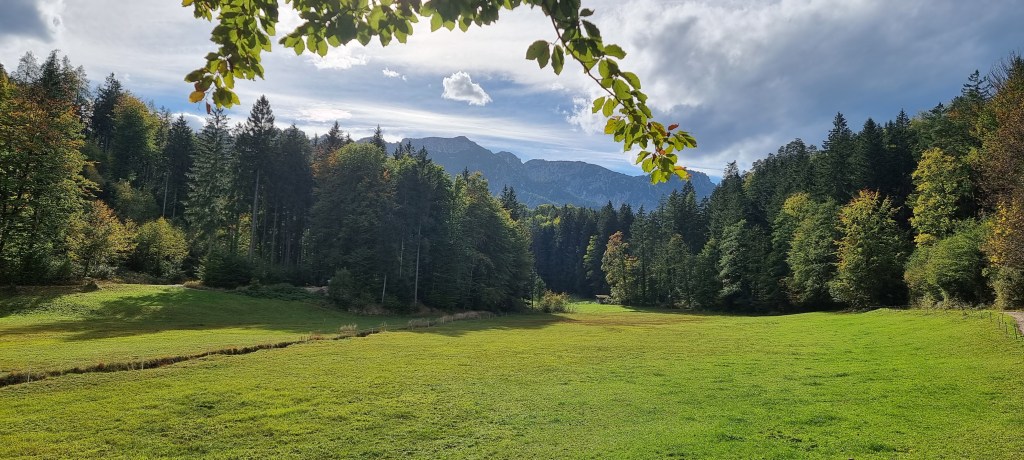
One big part of my game will be foliage, because it can invoke such a sense of place.
Have you ever had that moment where you watch a series or movie and can instantly tell that’s has been filmed in a specific region based on the greenery? If it can cause that reaction in movies, why not games as well 🙂. Especially since the place I am taking my inspiration from is more than half covered in forest – it’s really ever present.
Inspiration and Research
Thanks to the hard work of various groups, there is a veritable ton of information out there about what kind of trees flourish in Austria and where (and also at which heights!). Since I am by no means a botanically inclined person, this is really appreciated 😁.
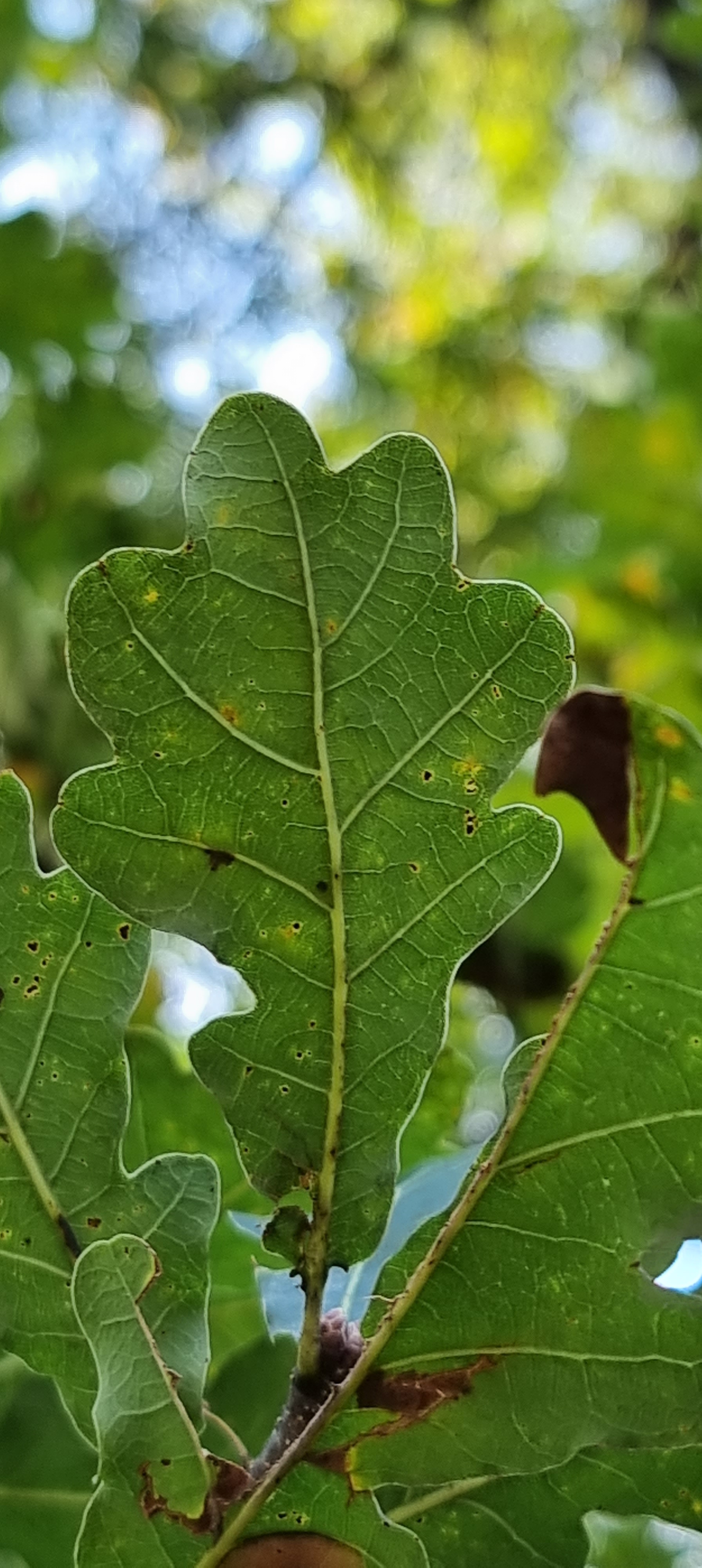
In summary, the most common tree by far (>40%) is the fir tree (Picea abies). It has many uses; its wood can be used for construction; the oil and sap are used for medical and calming properties; young needles can be turned into syrup for cooking. Last but not least, it is also commonly used as a Christmas tree or May tree (more on what a May tree is in a later post 😅).
The second most common trees are beech trees, specifically Red Beech (Fagus sylvatica). Used for furniture, toys, and firewood. But more importantly, it helps to maintain a healthy forest ground and deliver food to animals.
Some of the trees I have fond memories of are non-edible chestnut trees (Aesculus hippocastanum), using the chestnuts in fall to build little figurines, and edible chestnut trees (Castanea sativa) whose fruits get roasted and commonly eaten around Christmas time especially while wandering through a Christmas market.
Then we have the Austrian Stone Pine (Pinus Cembra) with its remarkable smell. Its wood is often used to panel rooms because it keeps on smelling once cut. It does not only smell heavenly, but it also known as an insect repellent and has antibacterial properties, making it a very sought-after wood for everyday objects around the house (e.g. wooden clothes hangers to keep moths away or cutting boards).
Obviously, there are many more kinds of trees and their fascinating uses, way too many to list here without boring everyone.
If anyone is interested in more info, from actual professionals in that topic, here are some resources (in German):
From Salzburg.gv.at
From Waldgeschichten




Lets make digital trees happen..
For the first few trees I tried to make ( a couple years ago now), I figured I just give it a go, with some reference pictures and a vague idea of using cards to place the leafs… and the results were unsurprsingly bad 😂but hey we all gotta start somewhere in this was still very early in my Blender journey.
(In hindsight I probably should have just looked for a nice youtube tutorial.)

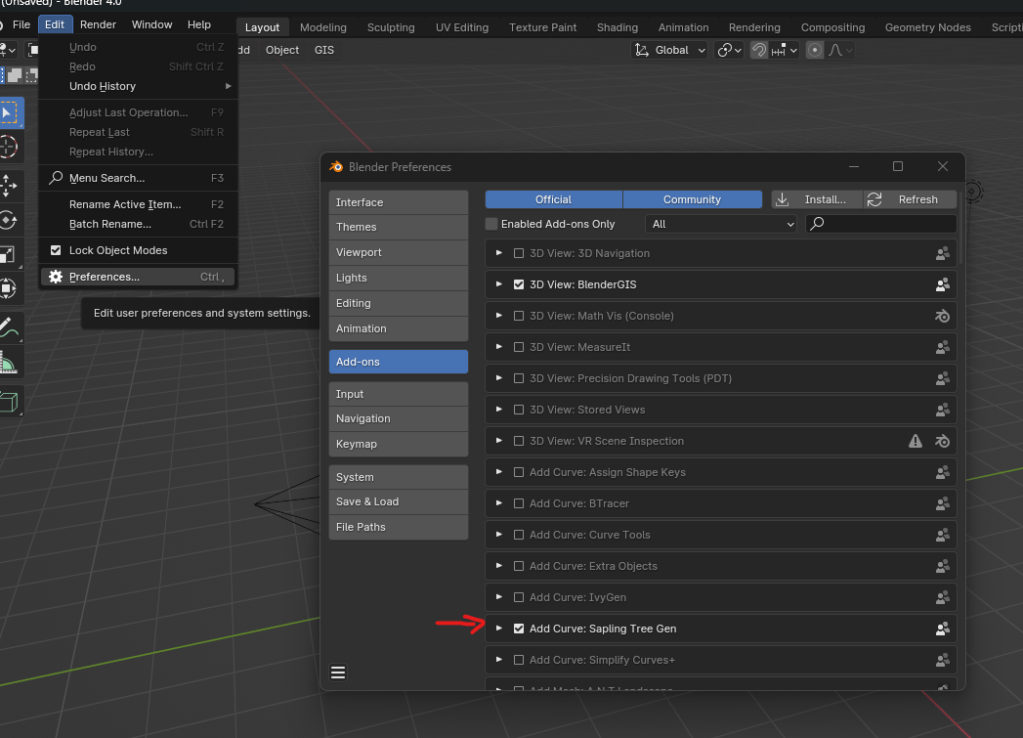
I also played around with the Sapling Tree Gen in Blender.
To enable it you have to simply go to Edit->Preferences-Addons and simply tick ‘Add Curve: Sapling Tree Gen’.
Then when adding a new Object, under Curve you can now add a Sapling Tree Gen.

It comes with a TON of options to generate all kinds of trees and you can play around with it for ages. Handily, it also comes with some presets which you can load up as starting points.
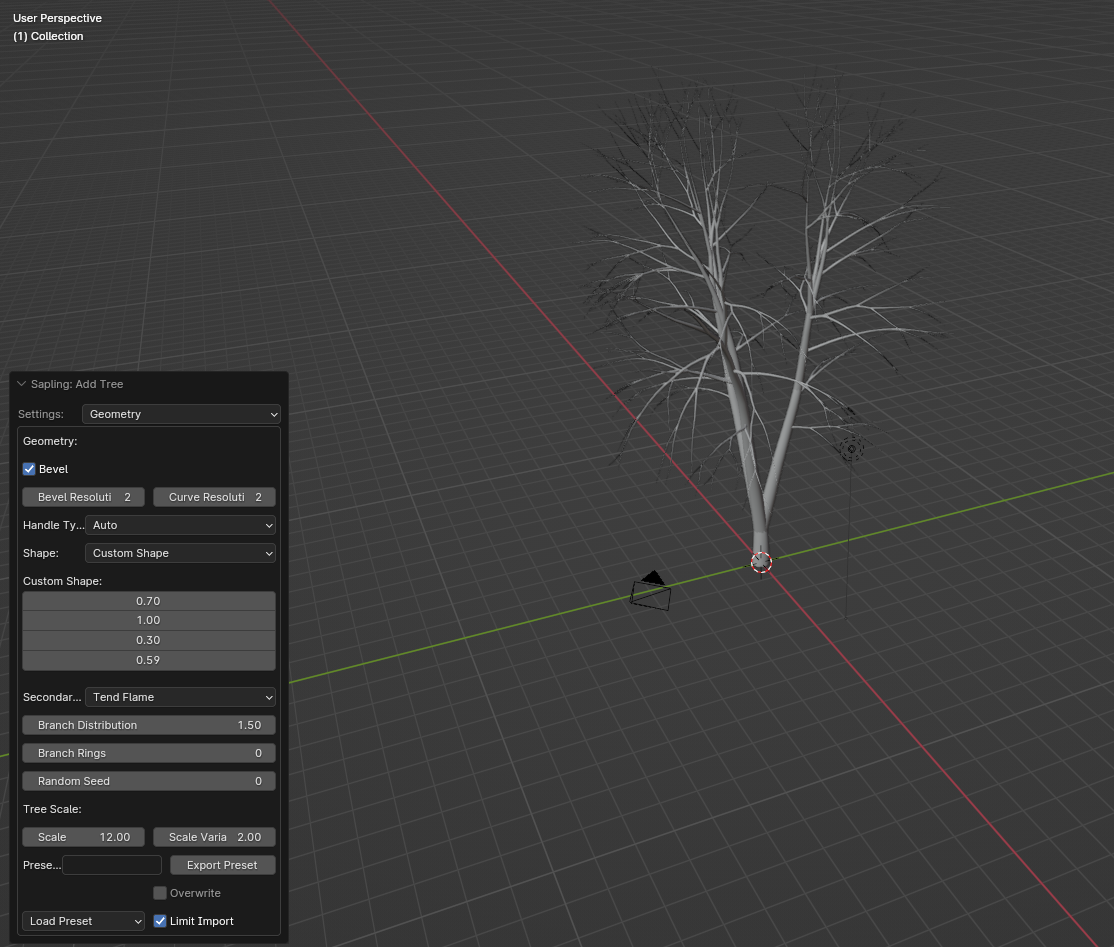
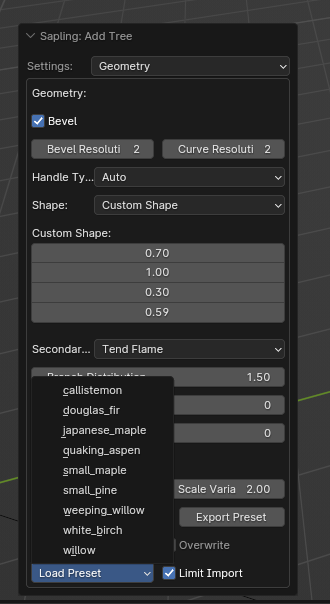

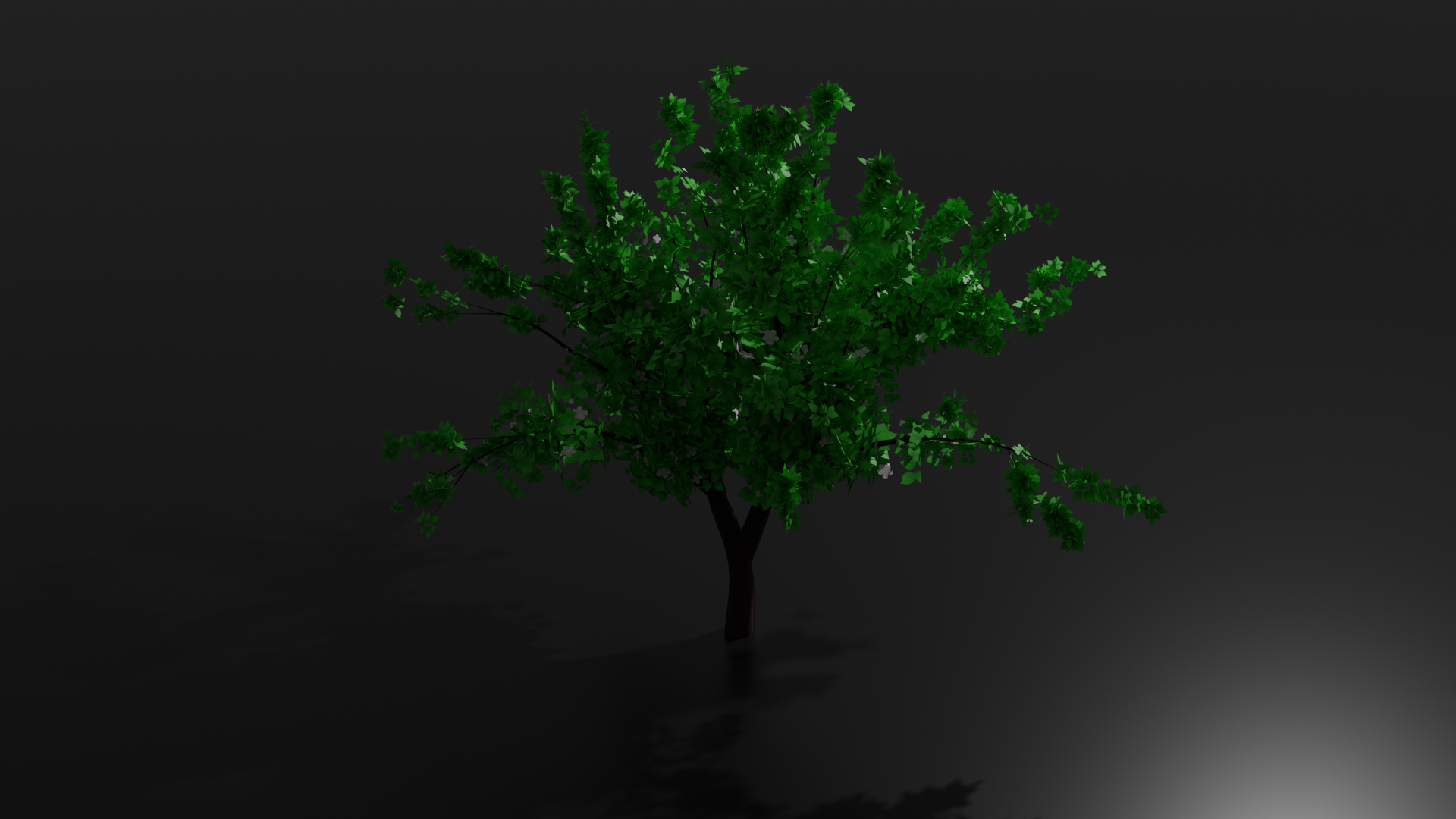
This is a very powerful tool, one I might explore again in the future, however the results (at least the ones I produced) are very high res and not really game ready yet.
Something I think I could easily remedy now, with the bit more expierence I have.
However, at the time it still was not giving me the results I was looking for – I added some of my leaf cards via a particle effect, but wasn’t invensting enough time to really achieve the look I wanted. Also being early in the project, I did not want to get hung up on art when there is no real game yet.
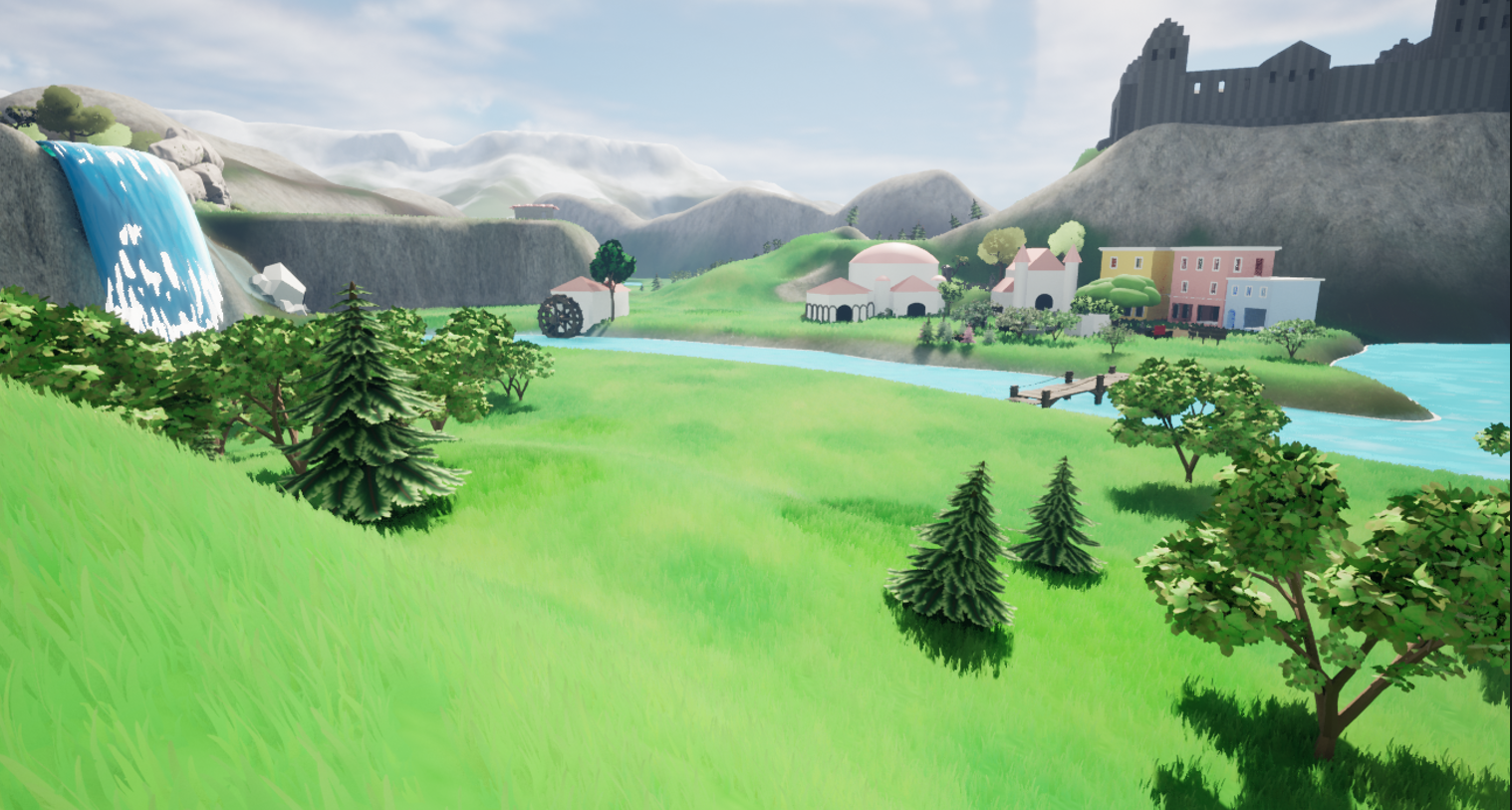


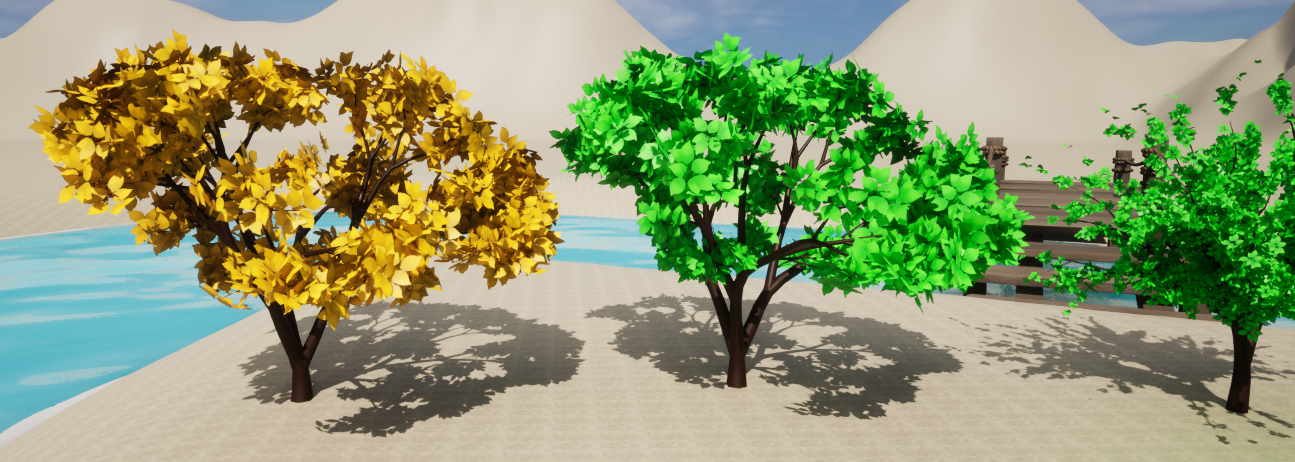
A while after this, I decided to try and hand placed the leaf cards, and let’s just say it’s something I will never do again. It took way too long, even though I am somewhat happy with the results for the first time. (If you ever want to be driven crazy and start regretting your life choices, I do recommend placing leaf cards for hours, results are guaranteed 😉)


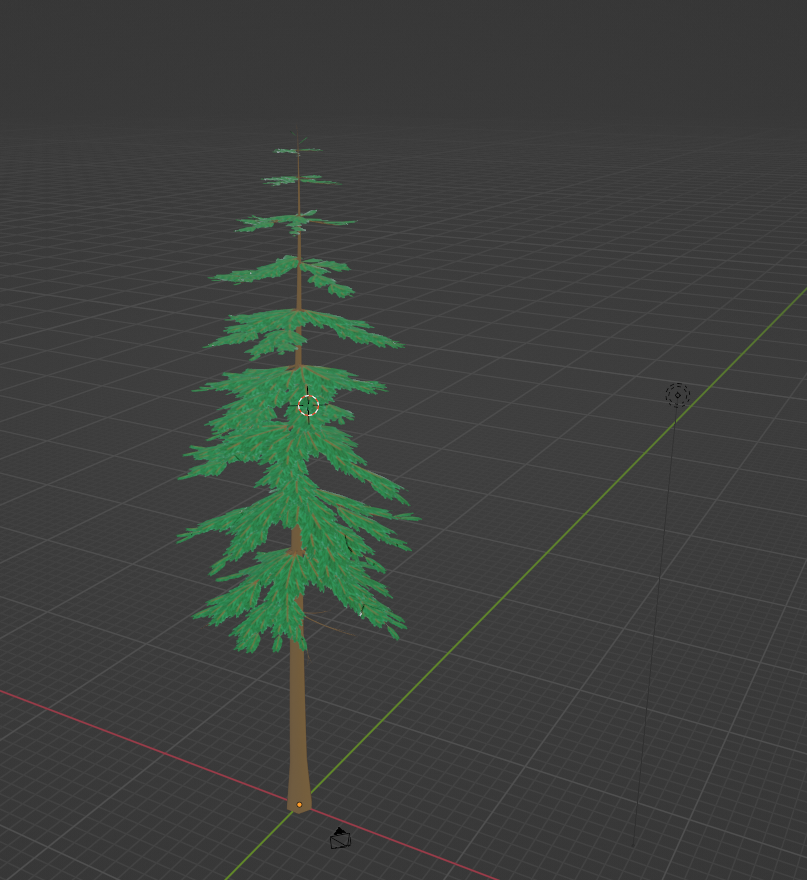
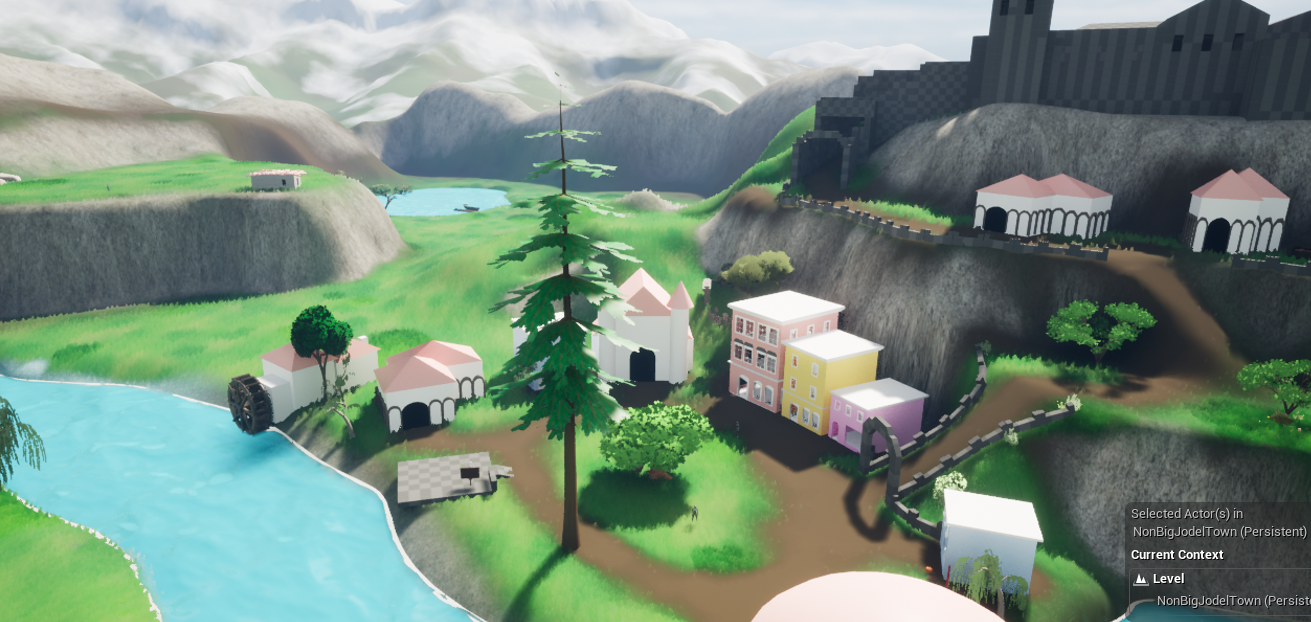
Next up I was looking into a tool called TreeIt. It’s a free piece of software (or optionally you can pay 3.50 on steam to support the developer), to generate tree meshes. It a little bit crashy, so save often. but I really quite like it and managed to make some nice things with it, without too much of a headache or time investement.
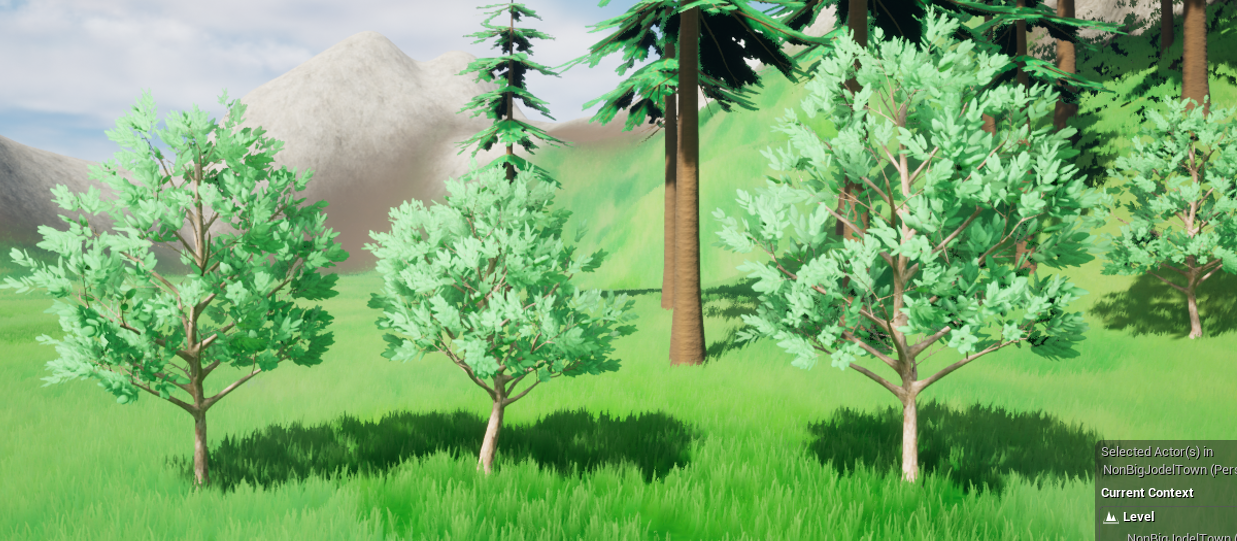
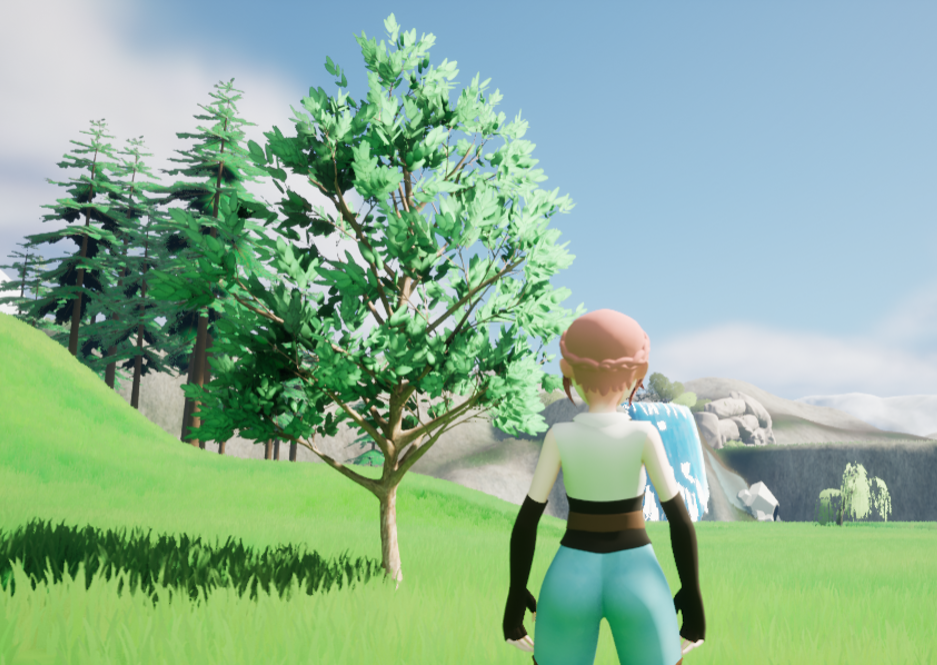


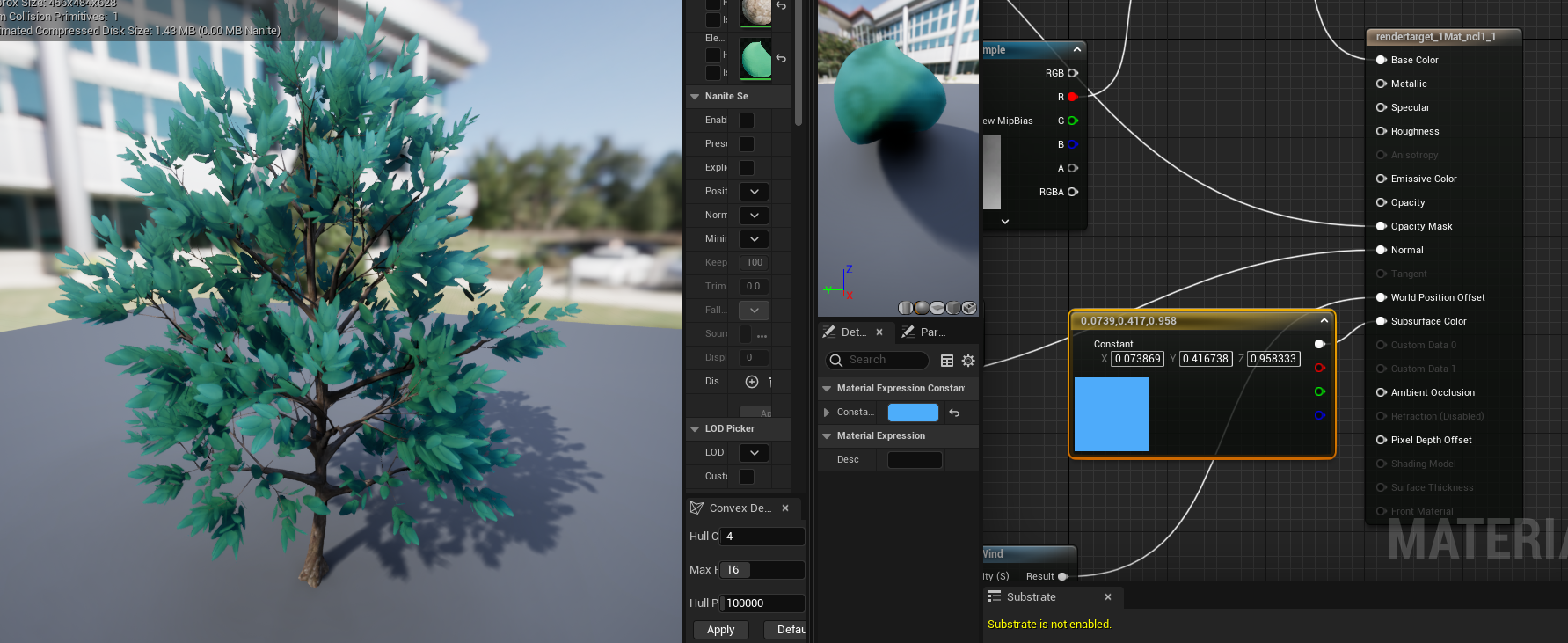
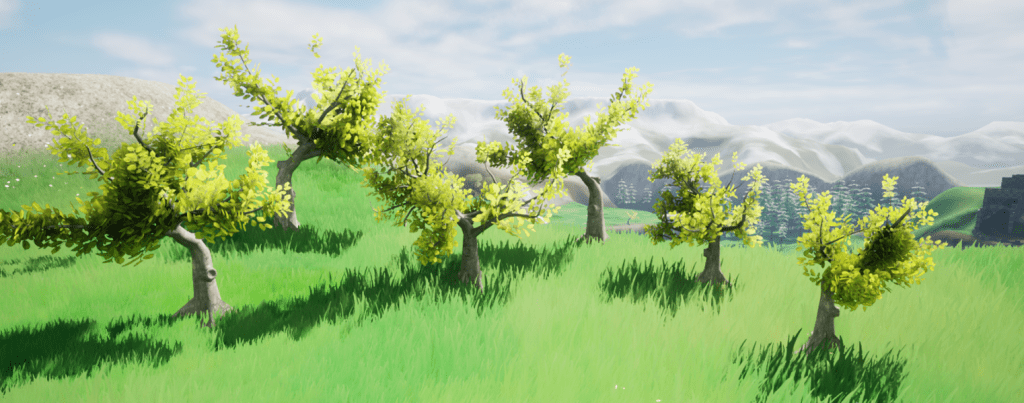
So we have some trees that we are mostly happy with, now we do want them to change with the seasons though. It wouldnt be nice at all if we dont get to enjoy those beautiful fall colours, or have green leafs everywhere in winter, now would it.
In Part 2 I’ll be diving into how I go about changing foliage at runtime to reflect the current season.
See ya 👋


 SneakySeahorseGames
Leave a comment. (Email and Name are not required to be filled in)